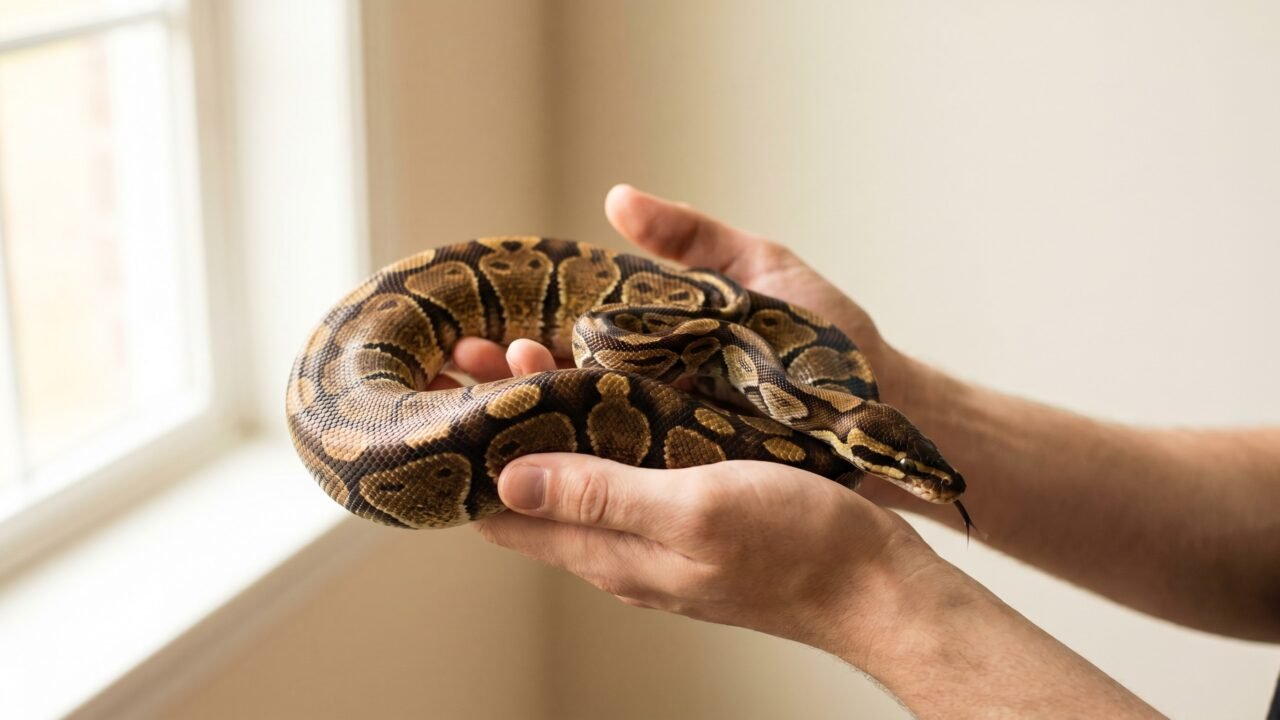
Ball pythons are one of the most rewarding snakes a keeper can own, and buying one well sets you up for a decade or more of success. The process has a few real decision points: how much you want to spend, where to find a reputable seller, which animal is actually healthy, and how to dodge the scams that catch first-time buyers. This guide walks through all of it in the right order, with links to deeper dives on each step.
What does a ball python actually cost?
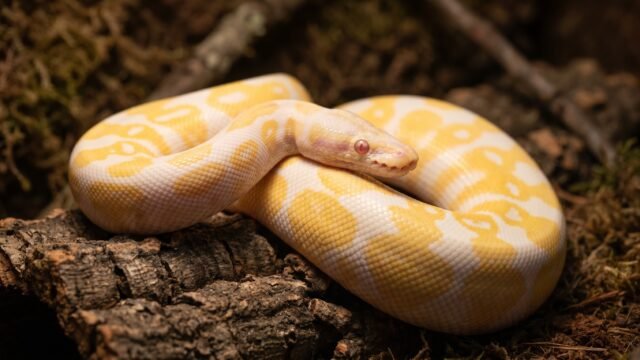
The snake itself is just one part of the bill. A normal (wild-type) hatchling typically runs $20-$80 from a breeder. Common single-gene morphs like Pastel or Mojave start under $150. Mid-range designer morphs land between $150 and $1,000, and rare multi-gene combinations can climb well past that. According to TerrariumQuest's cost breakdown, most keepers pay somewhere between $100 and $500 for their first snake.
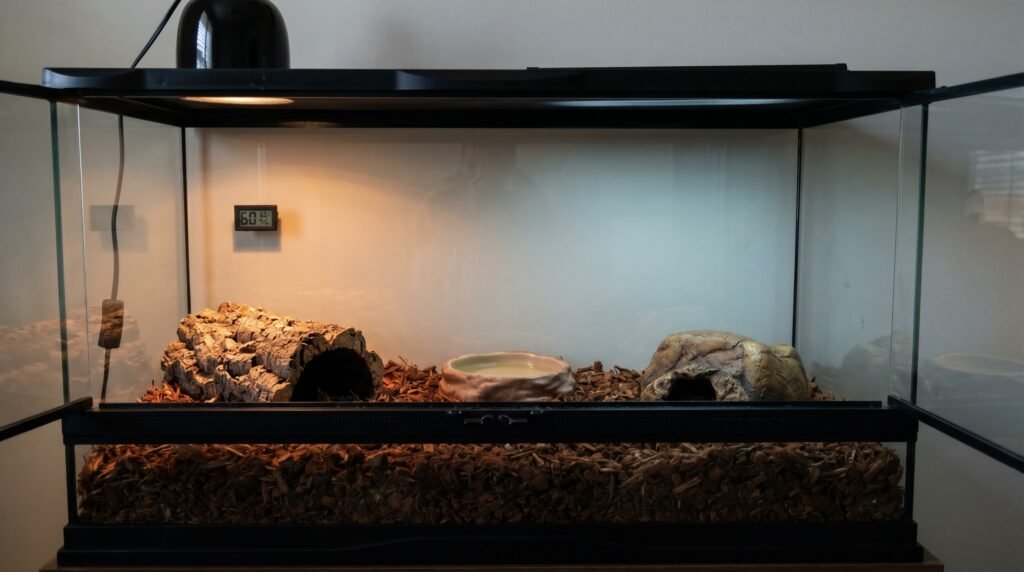
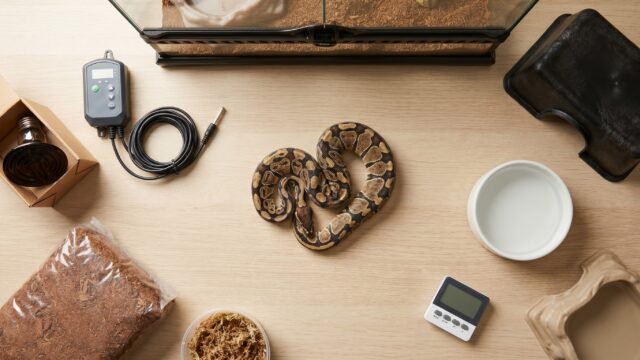
The enclosure is the bigger investment. A proper adult setup, a 4'x2'x2' front-opening enclosure with a thermostat, two hides, a humid hide, a digital thermometer/hygrometer, a water bowl, and a quality substrate, runs $250-$800 depending on brand and whether you buy new or used. You can find the full line-item breakdown at /how-much-does-a-ball-python-cost. Plan for $130-$350 per year in frozen-thawed prey after that.
One thing to factor in early: ball pythons live 20-30 years in captivity. The startup cost is spread across a very long relationship.
Where should you buy?
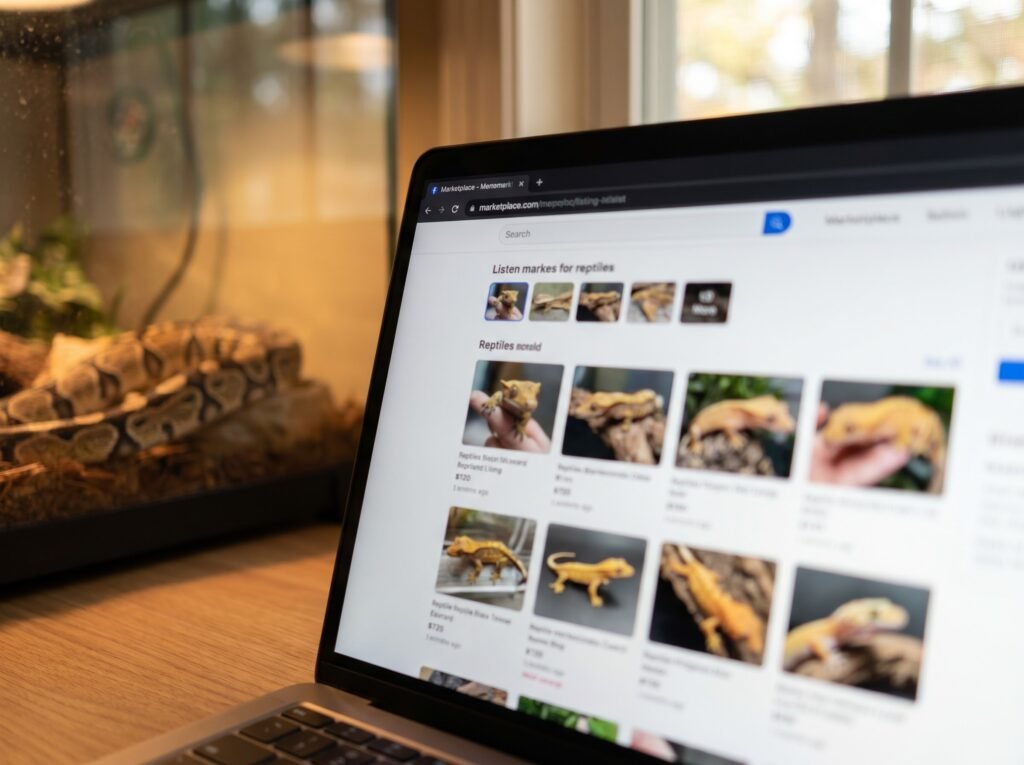
Your three real options are a private breeder, a reptile expo, and a pet store. Private breeders, whether local or online via MorphMarket, are the standard recommendation among experienced keepers. You get full feeding history, known genetics, a parent photo if you ask, and a seller who is accountable by name and reputation. MorphMarket alone lists more than 22,000 ball pythons from vetted breeders at any given time, and every listing includes seller ratings and a dispute system.
Reptile expos are worth attending if one is near you. You meet the breeder in person, handle the animal before committing, and can compare several snakes side by side. Prices at expos are sometimes negotiable.
Pet stores are the weakest option. Ball pythons at chain stores arrive stressed from shipping, are often housed in inadequate conditions, and staff rarely know the animal's feeding history or genetics. That said, a snake in a store can still be healthy. If it passes the health check below, the source matters less than the animal in front of you.
For a full breakdown of each channel's pros, cons, and what questions to ask, see /where-to-buy-a-ball-python.
How to spot a healthy ball python
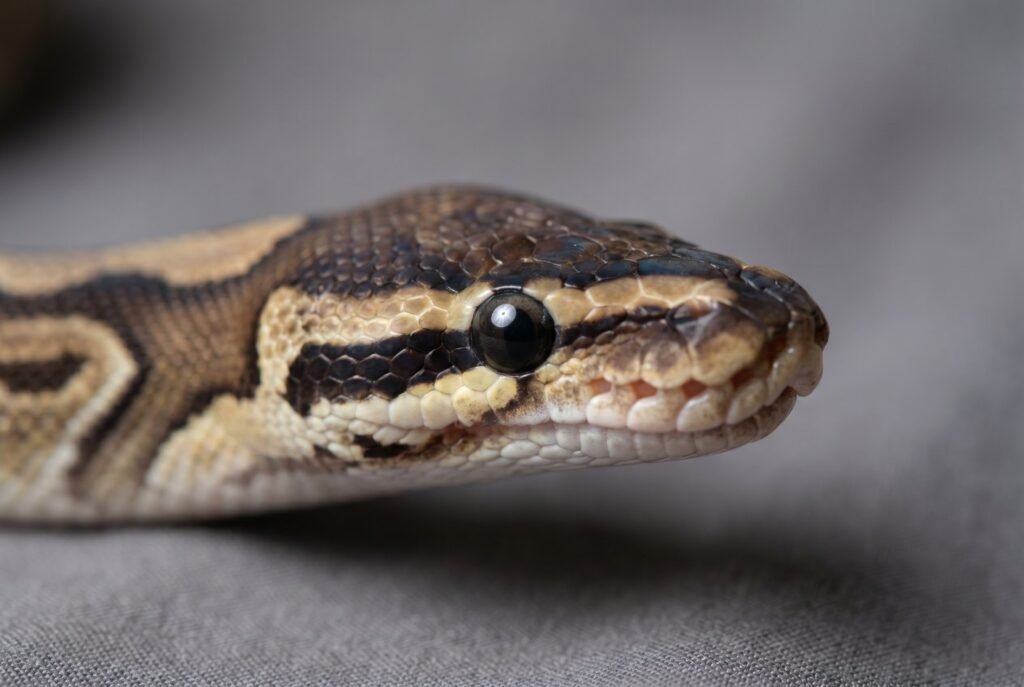
Before you pay for any snake, run through this checklist in person or by asking the breeder specific questions. A reputable seller will answer all of them without hesitation.
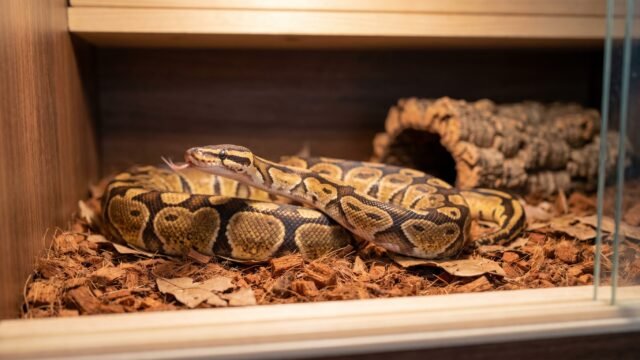
Look for bright, clear eyes (not sunken or cloudy outside of a shed), a firm body with no visible spine or rib protrusion, and smooth scales with no scabs or discolored patches on the belly. The snake should flick its tongue regularly when alert, and move with a steady, even muscle tone. Ask specifically whether it is eating, what prey item size it takes, and whether it is eating frozen-thawed (F/T) or live. A snake already on F/T is easier to manage from day one.
Red flags that should stop the sale: wheezing or bubbles around the nostrils (a sign of respiratory infection), open-mouth breathing, mucus around the mouth, pinched or lethargic posture with no tongue activity, or tiny black specks on the scales that move (mites). Any one of those means pass on that animal.
/choosing-a-healthy-ball-python covers the full physical and behavioral assessment, including what to look for on video when buying online.
Avoiding scams
Online reptile buying has a well-documented scam layer. The patterns are consistent enough that MorphMarket maintains a community guide specifically on red flags.
The main ones to know: any seller who asks you to move the conversation off MorphMarket (to WhatsApp, personal email, or text) immediately loses the platform's dispute protection. Unusually low prices on high-value morphs are a reliable tell. A seller asking for payment via gift card, Venmo, Zelle, or wire transfer is asking for money you cannot recover. And requests to ship before payment clears, or pressure to decide quickly, are designed to bypass your normal caution.
Stick to sellers with established MorphMarket profiles, multiple completed transactions, and positive ratings. Pay by credit card or PayPal Goods and Services when possible. The whole scam landscape for reptile buying is covered at /ball-python-breeder-scams.
The best time to buy
Ball python hatchlings are most available from late summer through early spring. Breeders typically begin pairing in October, eggs are laid in late fall to early winter, and hatchlings emerge after about 60 days of incubation. That puts the heaviest availability from roughly December through March, depending on the breeder's schedule. MorphMarket community breeders confirm this general window, though individual timelines vary.
Buying outside peak season is fine. Breeders with year-round production list regularly, and a slightly older juvenile (4-6 months) can actually be easier than a fresh hatchling because it has more feeding history behind it. See /best-time-to-buy-a-ball-python for the seasonal detail and what to ask at each time of year.
The buyer's checklist
Use this table as your sequence from "I want a ball python" to "the snake is home and eating." The Watch out for column is where most first-time buyers lose money or end up with a sick animal.
| Step | What to do | Watch out for |
|---|---|---|
| 1. Set your budget | Decide on snake price + setup cost separately. Budget $250-$800 for a complete adult enclosure before the snake arrives. | Underestimating the setup. The snake is often the cheapest part of year one. |
| 2. Pick your morph (or don't) | Browse MorphMarket to see what appeals to you. Normal and single-gene morphs are beginner-friendly and widely available. | Paying a premium for a "rare" morph from a seller with no ratings history. |
| 3. Set up the enclosure first | Build and run the full setup for at least a week before the snake arrives. Dial in temperatures and humidity with no animal inside. | Skipping this step. A snake moving into an unstable environment is stressed and often refuses food for weeks. |
| 4. Find a seller | Use MorphMarket for online; attend a local expo if possible. Check seller ratings and completed-sale history. | Buying from Facebook groups or Craigslist, where there is no platform protection. |
| 5. Ask the right questions | Request feeding history, prey item type (F/T or live), last feed date, hatch date or age, and any health issues. | A seller who cannot answer these, or who deflects, probably does not know. |
| 6. Do the health check | Inspect eyes, scales, belly, body tone. Ask for a video of the snake eating if buying online. | Buying a snake mid-shed ("in blue") without confirmation it recently ate and is otherwise healthy. |
| 7. Confirm payment method | Pay by credit card or PayPal G&S. Keep all communication on MorphMarket. | Gift cards, wire transfer, Zelle, or any request to move off-platform. |
| 8. Arrange shipping or pickup | If shipping: confirm overnight delivery with a live-arrival guarantee and an appropriate heat or cold pack for the season. | Two-day or ground shipping for a live animal. It's a health risk and often violates carrier rules. |
| 9. Quarantine and settle | Keep the new snake in a quiet spot for 7-14 days before handling. Offer the first meal after 5-7 days. | Handling immediately or offering food the day of arrival. Both increase refusal and stress. |
| 10. Find a reptile vet before you need one | Locate a reptile-experienced vet in your area before any health issue arises. Schedule a new-animal checkup within the first 60 days. | Waiting until there is a problem. Exotic vets can be hard to locate on short notice. |
A few things to have sorted before the snake arrives
ReptiFiles recommends a 4'x2'x2' enclosure as the adult minimum, with a basking surface of 95-104F, a basking air temperature of 86-90F, and a cool hide at 72-80F. Every heat source needs its own thermostat. Ambient humidity should sit at 60-80% during the day. Heat rocks are out entirely. Two dry hides and one humid hide lined with damp sphagnum moss are the baseline.
Frozen-thawed prey is the standard. Prey items should be no larger than 1.5 times the snake's widest point, according to ReptiFiles guidance. Live feeding carries real injury risk to the snake and is unnecessary for a captive-born animal.
Ball pythons do not brumate. An adult that goes off feed in fall and winter is usually cycling with seasonal temperature and light cues, which is normal. Weeks-long food refusal without other symptoms is not automatically an emergency, but a reptile vet visit is the right call if refusal stretches past 8-12 weeks or other symptoms appear.